
Say you were 10 years old in 1999. A pack of Pokémon Base Set cost $3.29, about $6.36 in today's money. You opened a holo Charizard and slid it into a binder.
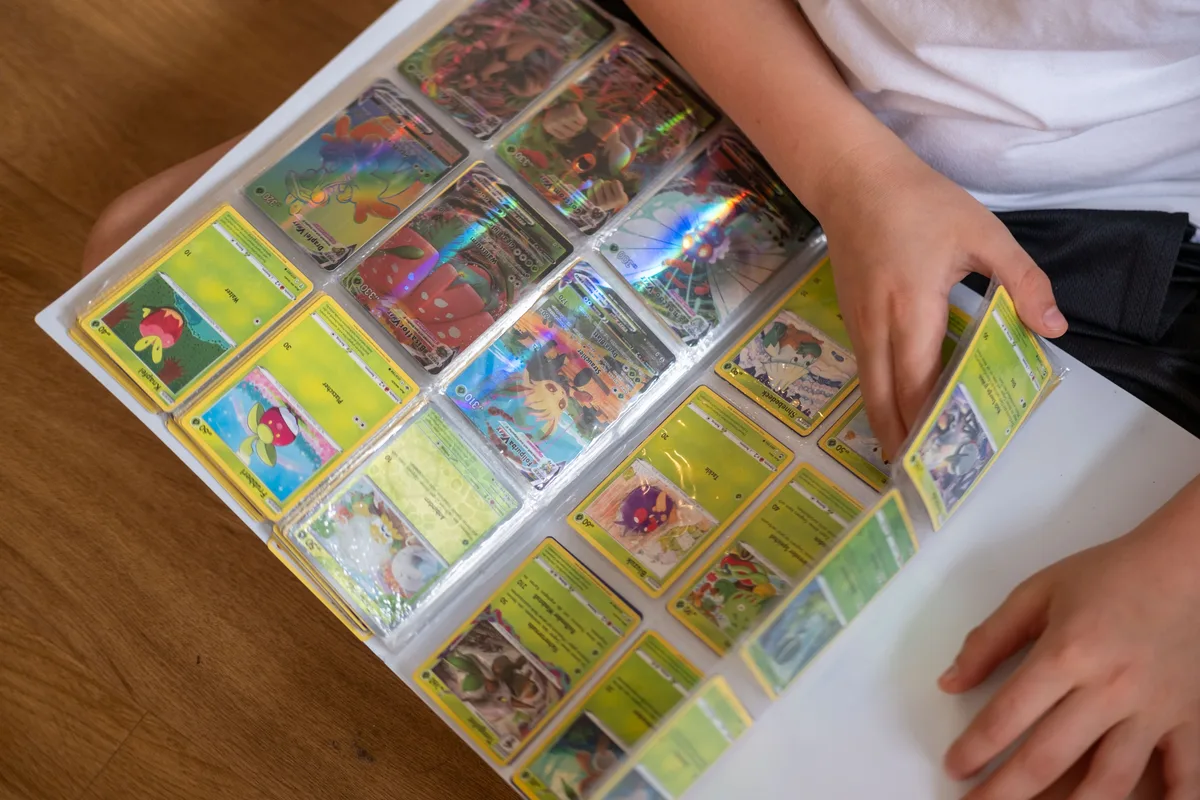
A year later, a dealer price guide listed that Charizard at $32. The 1st Edition print was $215.
On 1 October 2026, a near-mint unlimited Base Set Charizard sells for $944.53 on TCGplayer. The Shadowless print sells for $2,257.87. A 1st Edition copy graded PSA 10 sold for $550,000 at Heritage Auctions in December 2025.
That is the dream behind trading card investing. Your $32 card is worth about 30 times more today.
This is not financial advice. Cardlytics tracks card prices. It is not a financial adviser, and nothing on this page tells you to buy or sell anything. Speak to a licensed adviser before you put money you need into any investment.
Most kids never kept that Charizard in mint condition. They played with it or traded it away. And Charizard is one card out of 102 in the set. Most of the others sell for a few dollars.
Stories like this Charizard are the ones you hear about, and that is how survivorship bias starts.
Survivorship bias: why someone else's win is not your plan
Survivorship bias means you only see the winners. Investopedia defines it as "the tendency to view the performance of existing stocks or funds in the market as a representative comprehensive sample without regard for those that have gone bust."
Investment funds show how big the effect is. A study of Morningstar fund data found that removing the funds that closed made the rest look 1.6% a year better than they really were.
Cards work the same way. You see the video of someone pulling a $10,000 card. You don't see the hundreds of people who opened boxes and lost money, because nobody films that.
Survivorship bias means you only see the winners.
Whole eras of cards have gone this way. From about 1987 to 1994, sports card makers printed so many cards that most of them became close to worthless. Collectors call it the junk wax era, and card sales collapsed.
In 2020 and 2021, trading cards became a hot investment, and new collectors poured in. The boom ended the same way for many cards. The Card Ladder index of well-known cards fell 23% in 2022 and another 9% in 2023.
So when someone online shows you their profit, ask what they bought that went down. If they sell videos or courses, ask where most of their money really comes from.
What a card is worth comes down to supply and demand.
Supply and demand decide every price
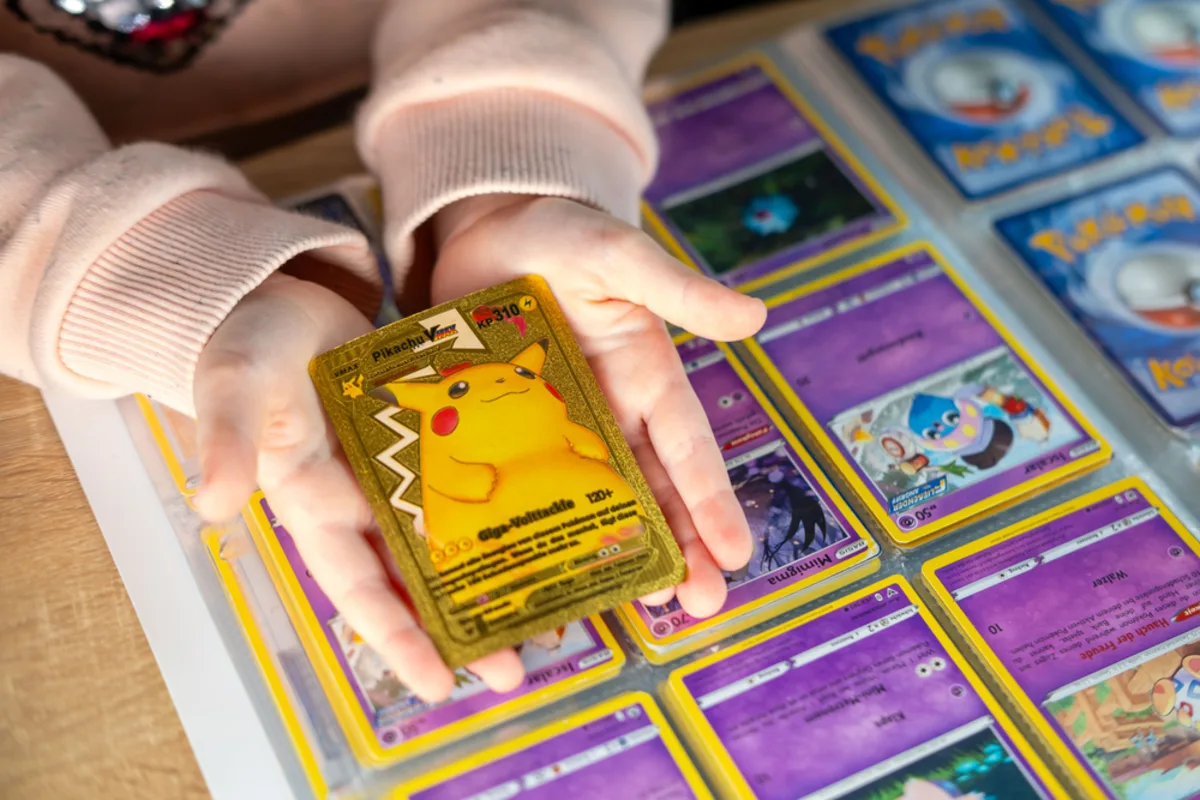
A card has no earnings and pays no dividend. It is worth what the next person will pay for it.
So trading card investing is a bet on the future. You bet that more people will want the card later, and that not many more copies will appear.
Demand comes from players and collectors. Supply comes from the printer, and from every copy sitting in a closet waiting for a good price. Modern cards are printed in far bigger numbers than vintage cards, so a modern card needs far more buyers to appreciate in value.
On the supply side, the card makers decide how many copies exist.
Manufactured scarcity: the printer can always print more
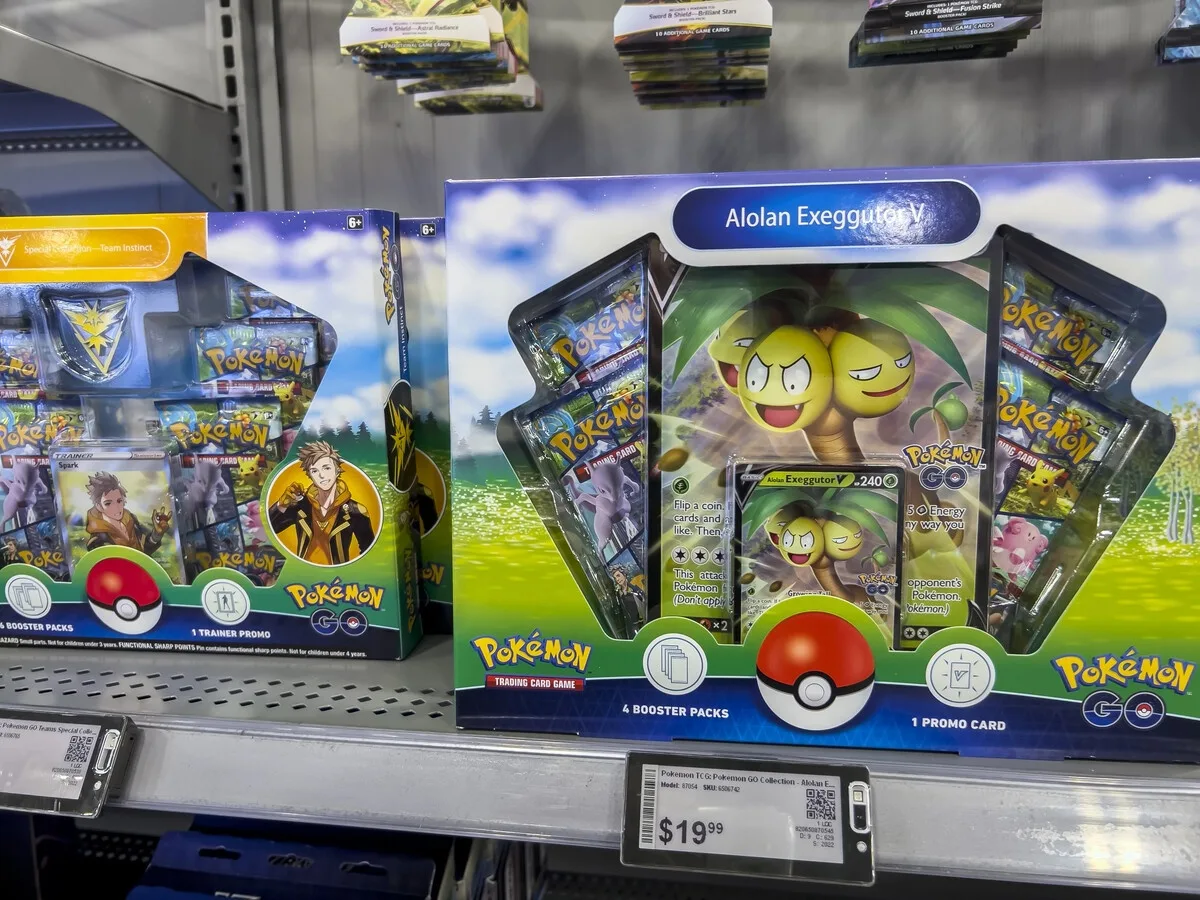
A card maker decides how many copies to print, and it can print more whenever it likes.
Pokémon shows the scale. More than 75 billion Pokémon cards were produced up to March 2025, and 10.2 billion of them in the 12 months before that. In February 2021, The Pokémon Company said it would print sold-out products "at maximum capacity." It does not publish how many copies of any set exist.
A product sold as limited can still come back. Prismatic Evolutions sold out on release in January 2025, and its Elite Trainer Box was back in stores in May 2025.
Reprints don't always kill a chase card. Evolving Skies got a long extra print run, and its alternate art Umbreon VMAX still rose from $540.24 in February 2024 to $2,292.50 in October 2026. More copies of the set did not mean more perfect copies of that one card.
What happens to the original when a card is reprinted
The original Base Set Charizard barely noticed its reprint. The Pokémon 30th Celebration set came out on 16 September 2026 with a reprint of the Base Set Charizard. The original sold for $882.02 on TCGplayer the day before. On 18 October 2026, a month later, it sold for $954.65. Collectors treat the 1999 card as its own card, and the reprint as a souvenir.
The Prismatic Evolutions Elite Trainer Box dipped and came back. It sold for $142.72 on 22 March 2025. Restock news came out in April, and by 9 June the box was down to $95.90. A year later, on 25 June 2026, it reached $213.
Prismatic Evolutions' top card kept sliding. That card, Umbreon ex 161/131, sold for $1,580.97 on 1 June 2026. A new wave of reprints started in September, and on 18 October 2026 it sold for $1,240.36. Cyclonic Rift from Return to Ravnica fell from about $40 to $27 when Double Masters reprinted it in 2020. After several more reprints, it sold for $30.25 on 1 October 2026.
Some cards never recover. Konami reprinted the Yu-Gi-Oh! card Nibiru, the Primal Being as a common in the 2021 Tin of Ancient Battles. Its price fell from $75 to $2.
The pattern: when a reprint looks different or is marked as new, collectors treat the original as its own card. When the reprint is the same playing piece, the price follows the supply.
The Magic Reserved List
Magic: The Gathering is the one big game that made a promise. In 1995, Fourth Edition and Chronicles reprinted nearly 500 older cards. Prices fell and collectors were furious.
In 1996, Wizards of the Coast published the Reserved List, a list of cards it would never reprint. The first list had 213 cards. The promise in its reprint policy reads:
"Reserved cards will never be printed again in a functionally identical form."
Wizards has tested that promise. In 2022, Wizards sold the 30th Anniversary Edition for $999. It held copies of Reserved List cards with a different card back, so they can't be played in tournaments. On 1 October 2026, a Revised Underground Sea sells for $1,081.09 on TCGplayer, and the 30th Anniversary copy for $599.99.
See every card on the list on the Magic Reserved List at Trading Card Dex. Every other card, in every other game, can be reprinted, so assume that any card you buy will be.
On the demand side, a card's price depends on how popular its game or player stays.
Every card is a bet on its brand
A card is worth what its fans will pay, so its value hangs on the brand behind it, whether that is a game or a player.
Sports cards show the risk. Michael Jordan is a legend if you are a certain age. To many teenagers today, he is what old black-and-white players were to us as kids: a famous name on a card, from before our time.
Vintage baseball cards still sell for fortunes today. A 1952 Topps Mickey Mantle card graded SGC 9.5 sold for $12.6 million at Heritage Auctions in August 2022, a record for a sports collectible at the time. The open question for any sports card investing plan is whether the next generation of sports fans will pay as much for the rookie card of a player they never saw play.
Collectors tend to buy what they grew up with. The writer Patrick Metzger calls it the nostalgia pendulum: pop culture brings things back about 30 years later, when the kids who loved them have money to spend.
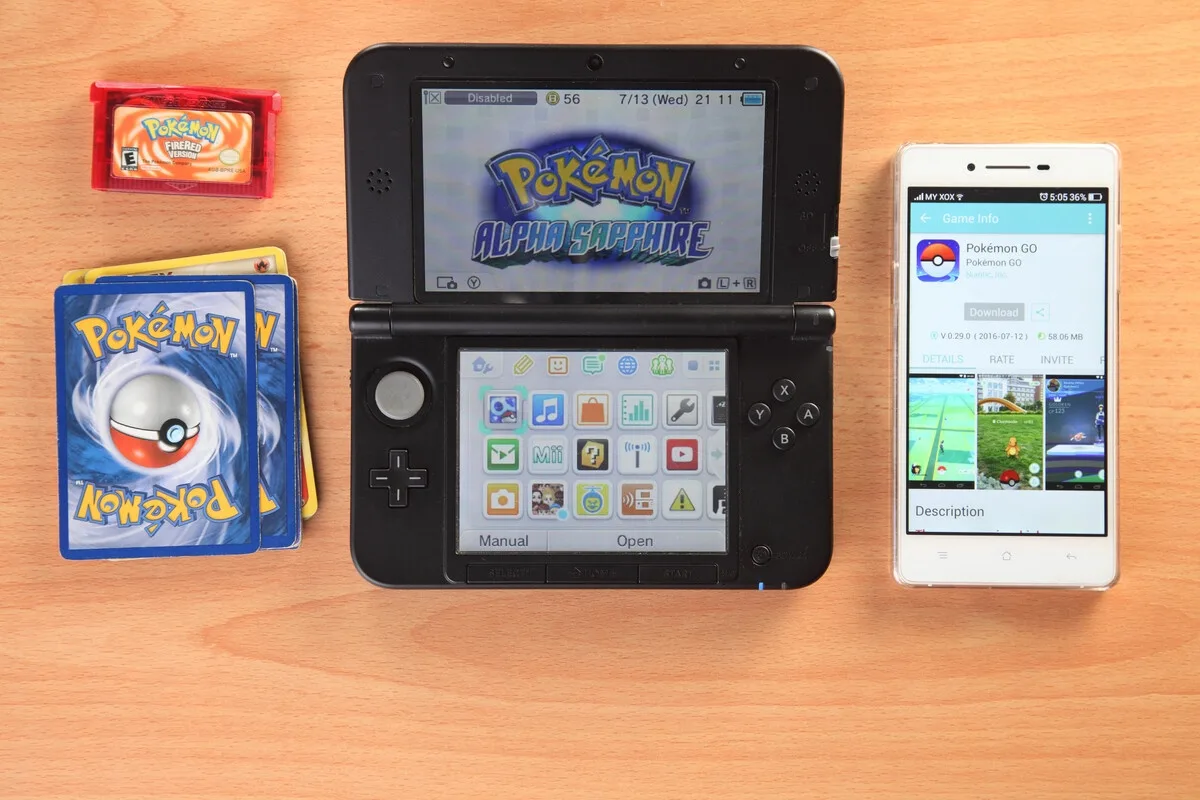
Pokémon cards are tied to Pokémon. The good news is that Pokémon is the highest-grossing media franchise in history, ahead of Star Wars and Marvel, and a new main video game comes out every 3 to 4 years. Each new game, show, film and set of card releases brings in children who will be the nostalgic buyers of the 2050s.
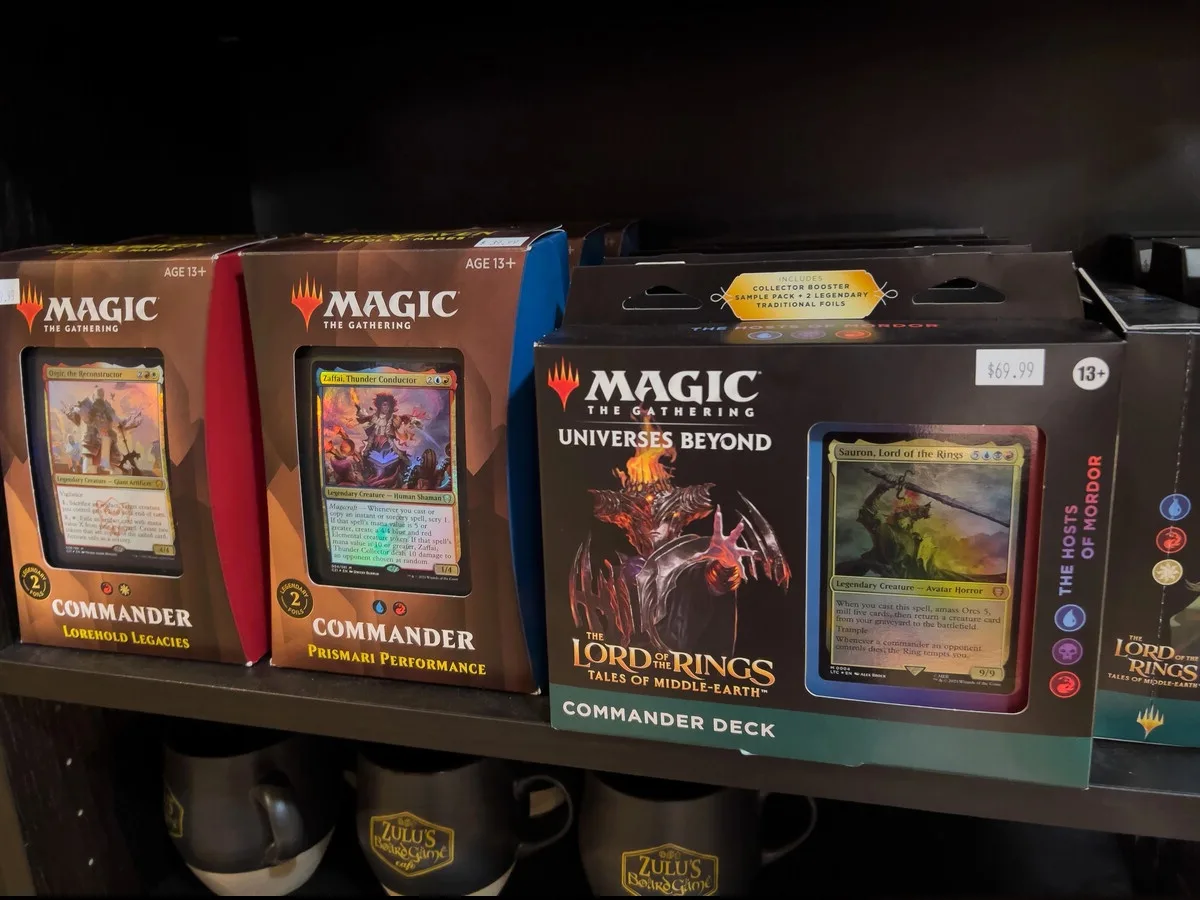
Magic is a special case. Its Universes Beyond sets borrow other brands, and not all of them land. The Lord of the Rings set passed $200 million in sales, one of only two Magic sets ever to do that, and Post Malone paid $2 million for the only serialized One Ring. The Assassin's Creed set in 2024 was poorly received by players. A crossover set does well only when fans of that brand buy it.
Nostalgia raised the price of old cards partly because so few copies survived.
When everybody knows the trick, cards stop being rare
Old cards got valuable because of a long stretch when nobody cared. Kids played with them, bent them and traded them. Parents threw out the shoeboxes. Most copies were lost or ruined.
Then, 15 to 25 years later, those kids grew up. They had credit cards and nostalgia, and they went looking for the few clean copies that survived. The years of neglect created the scarcity.
That stretch of no value is gone. Everybody knows cards can be worth money now. A chase card goes from the pack into a sleeve, then a hard case, and often straight to a grader. PSA graded almost ten times more cards in 2025 than in 2019. Across the big graders, 26.8 million cards were graded in 2025.
The makers know it, and so do the people opening the packs. More perfect copies of today's cards will survive than of any cards before them.
Sports cards went through this once. In the junk wax era, collectors bought cards by the case and kept them perfect, because they expected them to be worth money one day. Hobby historians estimate the big makers printed billions of cards a year. Most of those cards are still worth almost nothing, because nearly every copy is mint.
Nobody knows how this plays out for modern cards. It is uncharted territory. That is why classic cards, from before the hobby knew its own value, are usually the safer bet, such as Base Set Pokémon or early Magic. Their supply was settled by 25 years of damage.
Grading is how the market counts those perfect copies.
Grading: flawed, but it gives everyone the same scale
Grading companies such as PSA (Professional Sports Authenticator), Beckett, CGC and SGC grade a card from 1 to 10 and seal it in a hard plastic case called a slab.
Collectors complain about them a lot, and they have reasons. In March 2021, PSA stopped taking almost all new cards because it was swamped. In October 2026, its cheapest open service costs $59.99 a card and takes 90 to 100 business days.
Grades are also human opinions. One collector sent the same 1989 Upper Deck Ken Griffey Jr. rookie to grader after grader. It came back as a BGS 9.5, a PSA 6 and later a PSA 8. The card never changed.
But grading fixes a real problem. If I tell you my card is in good condition, that tells you nothing. My "good" is not your "good." A PSA 9 or a Gem Mint 10 means the same thing to every buyer in the world, and that shared scale is what lets a stranger pay thousands of dollars for a card they have never held.
The market pays for that scale, and a perfect 10 is rare. For the 1st Edition Charizard, the 10s are the copies that sell for six figures.
Grading also protects you from fakes, as long as the slab is real. Look up the certification number on the grader's website before you pay.
The grade also explains why one card can have several very different prices.
Why one trading card has so many prices
Look up any valuable card and you will find several prices for it. Each one measures something different.
- Market price. What copies of the card actually sold for recently, worked out from many completed sales. TCGplayer's market price is this kind, and it is the price Cardlytics shows every day.
- Asking price. What a seller hopes to get, on eBay or anywhere else. Until someone pays it, an asking price is a wish.
- eBay sold prices for ungraded cards. Real sales, but the condition is all over the place, from mint to creased, and the photos don't always show it. An average of those sales mixes very different cards.
- Graded prices. A PSA 10 sells for far more because you know exactly what you are getting. It is a different product from the same card in a binder.
- Auction records. One sale at Goldin or Heritage, often of the best copy known. It makes the news, and it tells you little about an ordinary copy.
- Buylist price. What a shop pays you in cash. It sits well under the market price, because the shop has to sell the card again.
Base Set Charizard shows how far apart these prices sit.
For the card in your binder, TCGplayer's market price is the closest thing to a real price. TCGplayer builds it from completed sales and leaves out the suspect ones, and Cardlytics shows it every day. Anyone can list a card for $5 million. If copies at $1,000 sell day and night, $1,000 is the real price.
Whatever price you look up, you still need a buyer at that price to sell your card.
Trading cards are illiquid: a price is not a buyer
Liquidity is how fast you can turn something into cash without cutting the price. A share of an index fund sells in seconds. A card can take months.
One researcher listed 300 Pokémon cards on eBay and watched them for a year. Only 73.3% sold. Common cards took a median of 110 days to sell, and rare cards 51 days.
Then you pay to sell. TCGplayer takes 10.75% of the sale, plus 2.5% and $0.30 per order for payment. eBay takes 13.25% plus $0.30 or $0.40 per order for trading cards, and it charges that on the shipping and sales tax as well. You can sell cards online or at a card show. A local card shop or card store that buys for cash pays well under the market price, because it has to sell your cards again.
Liquidity also changes from one game to another. Pokémon has millions of buyers. Flesh and Blood has far fewer. Cardlytics tracks the 100 most valuable cards of each game as one index. Since February 2024, the Pokémon 100 is up 66.7%. The Flesh and Blood 100 is down 35.6%.
Picking the game matters too. On 1 October 2026, of the 24 games Cardlytics tracks, 8 have an index above where it started and 16 are below.
| Index | Change | Since |
|---|---|---|
| Gundam 25 | up 175.5% | Mar 2025 |
| Pokémon 100 | up 66.7% | Feb 2024 |
| One Piece 100 | up 49.6% | Feb 2024 |
| Riftbound 25 | up 32.1% | Nov 2025 |
| Japanese Pokémon 100 | up 26.5% | Feb 2025 |
| MTG 100 | up 19.6% | Feb 2024 |
| Dragon Ball Super: Masters 100 | up 9.2% | Feb 2024 |
| Final Fantasy 100 | up 1.1% | Feb 2024 |
| CookieRun: Braverse 25 | down 2.6% | Jul 2026 |
| Weiss Schwarz 100 | down 7.1% | Feb 2024 |
| Force of Will 100 | down 12.0% | Feb 2024 |
| hololive OFFICIAL 25 | down 15.6% | Aug 2025 |
| Lorcana 100 | down 16.5% | Feb 2024 |
| Grand Archive 100 | down 20.5% | Feb 2024 |
| Digimon 100 | down 24.5% | Feb 2024 |
| Yu-Gi-Oh! 100 | down 24.9% | Feb 2024 |
| Flesh and Blood 100 | down 35.6% | Feb 2024 |
| Cardfight Vanguard 100 | down 39.4% | Feb 2024 |
| Elestrals 50 | down 40.9% | Dec 2024 |
| Shadowverse: Evolve 100 | down 43.6% | Feb 2024 |
| UniVersus 100 | down 48.4% | Feb 2024 |
| Dragon Ball Super: Fusion World 50 | down 50.7% | Mar 2024 |
| Star Wars Unlimited 100 | down 62.6% | Apr 2024 |
| Union Arena 100 | down 64.8% | Oct 2024 |
A smaller game can still spike. Flesh and Blood's Welcome to Rathe 1st Edition booster boxes went from $849.50 to $1,938.46 on TCGplayer in December 2020. When the hype fades, there are fewer buyers left to catch the fall.
A price on a website is what the last buyer paid, and there may be no next buyer at that price. Cardlytics shows the TCGplayer market price, which comes from completed sales, not from asking prices.
When you do sell a card, fees and taxes take part of the profit.
The costs nobody puts in the profit screenshot
- Selling fees: 10.75% to 13.25% of the sale on TCGplayer and eBay, plus a fee per order.
- Shipping: tracked, insured postage in a rigid case for anything valuable.
- Grading: a fee per card plus shipping both ways.
- Storage: sleeves and toploaders, kept in a dry room. Cards keep best at about 68 to 72°F and 45% to 55% humidity.
- Insurance: specialist collectibles cover costs about 1% to 2% of the insured value a year. Home insurance may not cover a collection at full value.
- Taxes: the IRS treats cards as collectibles, so long-term gains are taxed at up to 28%. Most long-term stock gains are taxed at 15% or 20%.
A card that rises 20% can still lose you money once fees and tax are paid.
You also need to be sure the card you buy is real.
Fakes and scams
Valuable cards attract fakes. Scammers make counterfeit PSA slabs and swap real cards out of real ones. Others weigh packs to find the rare cards, then reseal the booster boxes and sell them as new.
In December 2021, YouTuber Logan Paul bought a case sold as 1st Edition Pokémon booster boxes. When it was opened on camera, it was full of G.I. Joe cards.
Buy from sellers with a long record and check every slab number. A price far below the market is a warning. TruePrice on Cardlytics flags TCGplayer prices that come from fake sales or parked listings.
Fakes and other risks look different for single cards and for sealed product.
Singles, booster packs or sealed boxes?
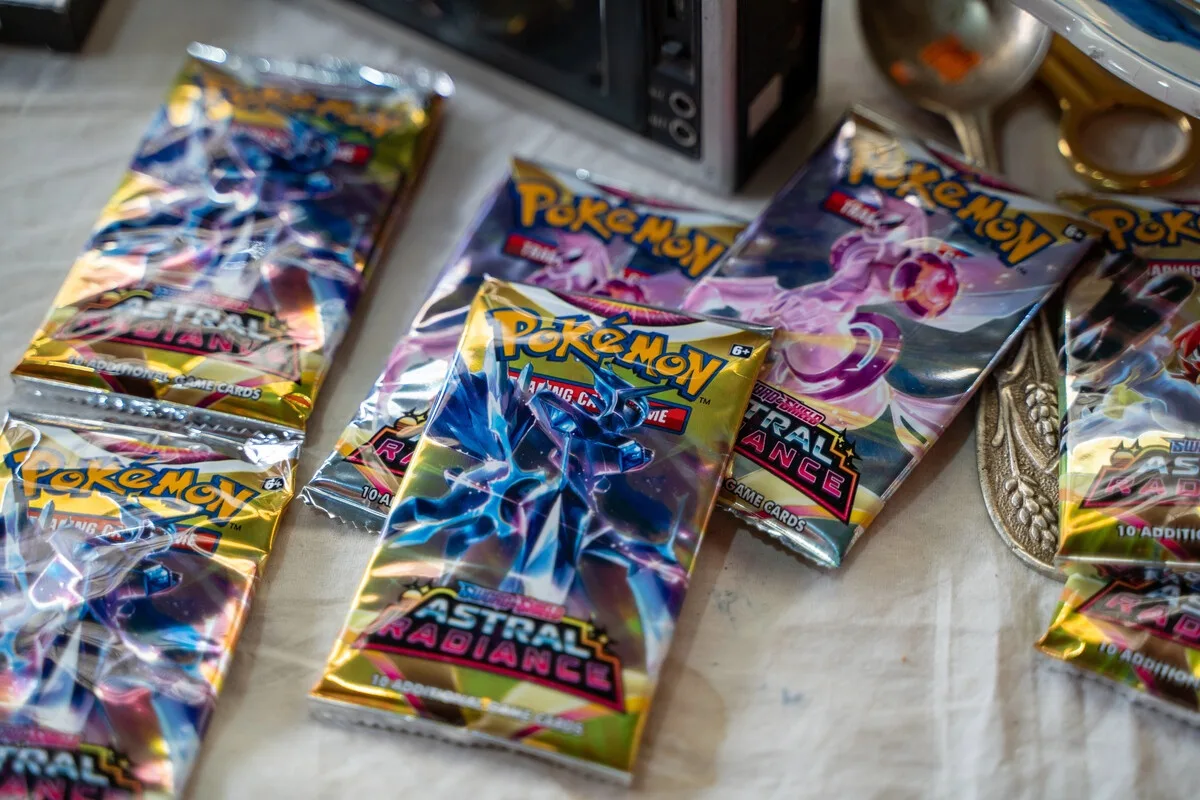
Singles are individual cards. With a single, you know exactly which card you are getting and what condition it is in. That makes it easy to value and easy to sell, and you can follow its price every day on Cardlytics. A graded single goes one step further, because the grade settles the condition.
A booster pack is a mystery. Nobody knows what is inside, for better or for worse, and part of a sealed pack's price is the chance that it holds the chase card. Once it is opened, the pack is worth only the cards that came out of it.
Every pack that gets opened is gone for good, so old sealed product gets scarcer with time. An Evolving Skies booster box sold for $480.55 on TCGplayer in February 2024 and for $2,296.51 on 1 October 2026.
Sealed boxes are a bet on a whole set, and they take up space. They are also the first thing a restock hits, as the Prismatic Evolutions box showed, and resealed fakes are common.
So there is a balance to strike. Holding some sealed product and some singles spreads your risk between the mystery of a whole set and the certainty of a single card.
Because all of this carries risk, only spare money should go into cards.
Get your own finances in order before you buy cards
Trading cards are an alternative investment, an asset class outside stocks and bonds. Investing in trading cards comes last, after the boring steps.
- Save an emergency fund of 3 to 6 months of living costs.
- Pay off high-interest debt such as credit cards.
- Take any retirement match your employer offers. It is free money.
- Build a core of low-cost index funds or other plain assets.
- Put part of what is left over into cards.
Many advisers keep alternative assets, which include collectibles, to 5% to 10% of a portfolio. The wealth manager Cazenove Capital is blunter: "we would not advocate collectibles as a means of growing or protecting your wealth."
- 90% index funds and other plain assets
- 10% trading cards, at most
On $10,000 invested, that is $9,000 in plain assets and no more than $1,000 in cards. Your emergency fund sits outside this, in cash.
Index funds diversify your money across hundreds of companies. A card collection is a handful of single bets. The rule that matters most: never put money into cards that you can't afford to lose. If a 50% drop would hurt your rent or your family, that money doesn't belong in cards.
With the money set aside, your result depends on when you buy and when you sell.
Buy low, sell high: the card investment strategy that matters
Every lesson here comes back to the oldest rule in investing: buy low, sell high. It sounds simple. People spend their whole lives getting good at it.
Getting good at it means seeing a trend before it is obvious. When a card is on every video thumbnail, the low has passed. Good buys tend to come when nobody is talking about a card, such as after a reprint or long after a set has left the shelves.
If you still want in, start small. Decide when you will sell before you buy, at a price or on a date.
Decide when you will sell before you buy.
To time a sale, you need prices you can check every day.
How to use Cardlytics to follow the card market
Cardlytics shows daily TCGplayer prices for every card game, free and with no sign-up. It is built for collectors and investors who want to watch card values with real numbers instead of hype.
- Market pages show each game's price spikes this week and its outlook: Pokémon card market, MTG market, Yu-Gi-Oh! market and One Piece card market.
- Card market indexes follow the 100 most valuable cards of each game as one number.
- Every card page has its full price history, so you can tell a spike from a trend.
- My cards is a free portfolio. Add what you paid and see your profit or loss every morning.
- TruePrice warns you when a price comes from fake sales.
Trading card investing guide FAQ
Is trading card investing a good idea?
Trading card investing can work as a small part of a finished financial plan. Cards are slow to sell, cost 10% to 13% in fees to sell online, can be reprinted, and pay no income. Most cards lose value. Put in only money you can afford to lose.
Are Pokémon cards a good investment?
Some Pokémon cards have been a good investment. The Cardlytics Pokémon 100 index, the 100 most valuable Pokémon cards, is up 66.7% since February 2024. That is the top 100 cards, not the average card, and The Pokémon Company prints more product when demand is high.
What is TCG investing?
TCG investing is trading card investing in trading card games such as Pokémon, Magic: The Gathering, Yu-Gi-Oh! and One Piece. Sports card investing is the same idea with baseball and basketball cards.
Do I have to pay taxes on selling trading cards?
In the US, you pay tax on the profit when you sell a card for more than you paid. The IRS treats trading cards as collectibles, and long-term gains on collectibles are taxed at up to 28%. Rules differ by country, so ask a tax professional.
How much of my money should I put into trading cards?
Only money you can afford to lose. Many advisers keep collectibles and other alternative assets to 5% to 10% of a portfolio, after an emergency fund and a core of index funds.
What is the Magic: The Gathering Reserved List?
The Reserved List is a list of old Magic cards that Wizards of the Coast promised in 1996 never to reprint in a functionally identical form. It is the only reprint promise of its kind among the big card games.
Should I get my cards graded before I sell them?
Grade a card only when it is in near-perfect condition and worth far more than the grading fee and shipping. A high grade can multiply the price. A low grade can be worth less than the raw card.
Which trading cards are the best investment?
Nobody knows which cards will be the best investment, and anyone who says they do is selling something. Cards that held their value in the past were scarce copies in top condition from brands that kept growing, such as Base Set Pokémon and Reserved List Magic cards.
Is sports card investing different from TCG investing?
Sports card investing works the same way as TCG investing, with sports trading cards instead of game cards. Rookie cards and autographed cards of star players lead the market, and their value depends on the player's fame lasting into the next generation.
Sources
- Pokémon card price guide, March 2000
- US inflation 1999 to 2025 (BLS CPI)
- Heritage Auctions: PSA 10 Charizard sells for $550,000
- Investopedia: survivorship bias
- Survivorship bias in Morningstar fund data
- Card sales after the junk wax era and the Card Ladder index
- PLOS ONE: one year of selling Pokémon cards on eBay
- TCGplayer seller fees
- eBay selling fees
- ICv2: Flesh and Blood booster boxes, December 2020
- CNN: Pokémon cards produced to March 2025
- The Pokémon Company: printing at maximum capacity
- Prismatic Evolutions restocks, 2025
- Beckett: the 30th Celebration Charizard reprint
- TCGplayer: Pokémon cards dropping in price, October 2026
- MTGPrice: Cyclonic Rift after Double Masters
- Nibiru after its common reprint
- MTG Wiki: Reserved List
- Wargamer: 30th Anniversary Edition
- PSA suspends most grading, March 2021
- Grading prices in 2026
- One card, many grades: a grading experiment
- Most graded Pokémon cards (PSA population)
- TCGplayer: how the market price works
- Charizard prices by grade from eBay sales
- Sports Illustrated: 26.8 million cards graded in 2025
- PSA grading volume 2019 to 2024
- Why 1987 cards are still worth little
- Cazenove Capital: collections and your wealth
- TheStreet: the 28% collectibles tax rate
- Patrick Metzger: the nostalgia pendulum
- Campaign: Pokémon's brand and game cycle
- Hasbro Q3 2023 earnings call
- Dexerto: Post Malone's One Ring
- CBR: the Logan Paul fake case
Track your cards for free
Add what you paid for each card. Cardlytics shows what your collection is worth every morning, with no sign-up.
Start your portfolio